
Adult learning concept in MISS surgery
Mastering the MISS Transition: An Andragogic Approach
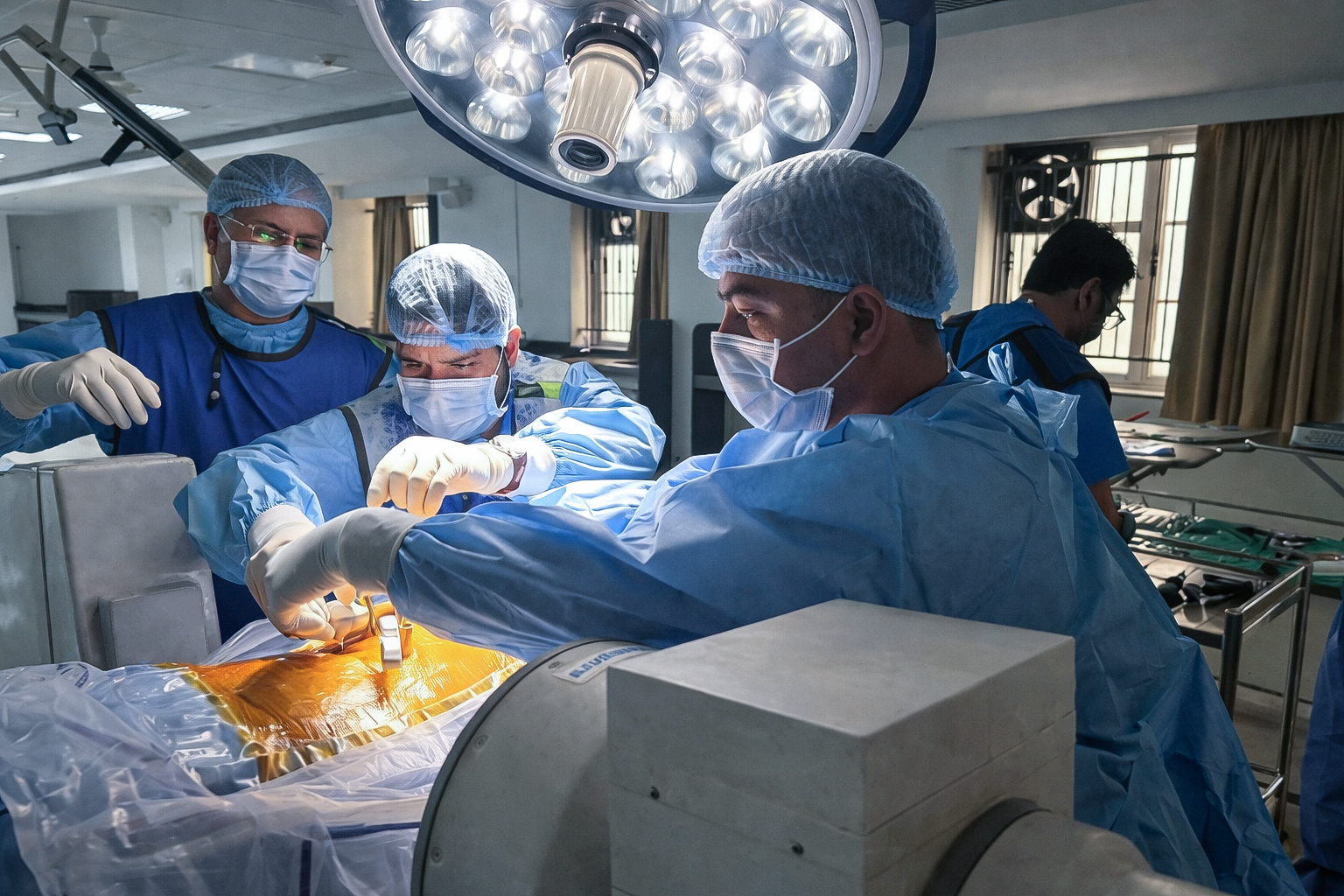
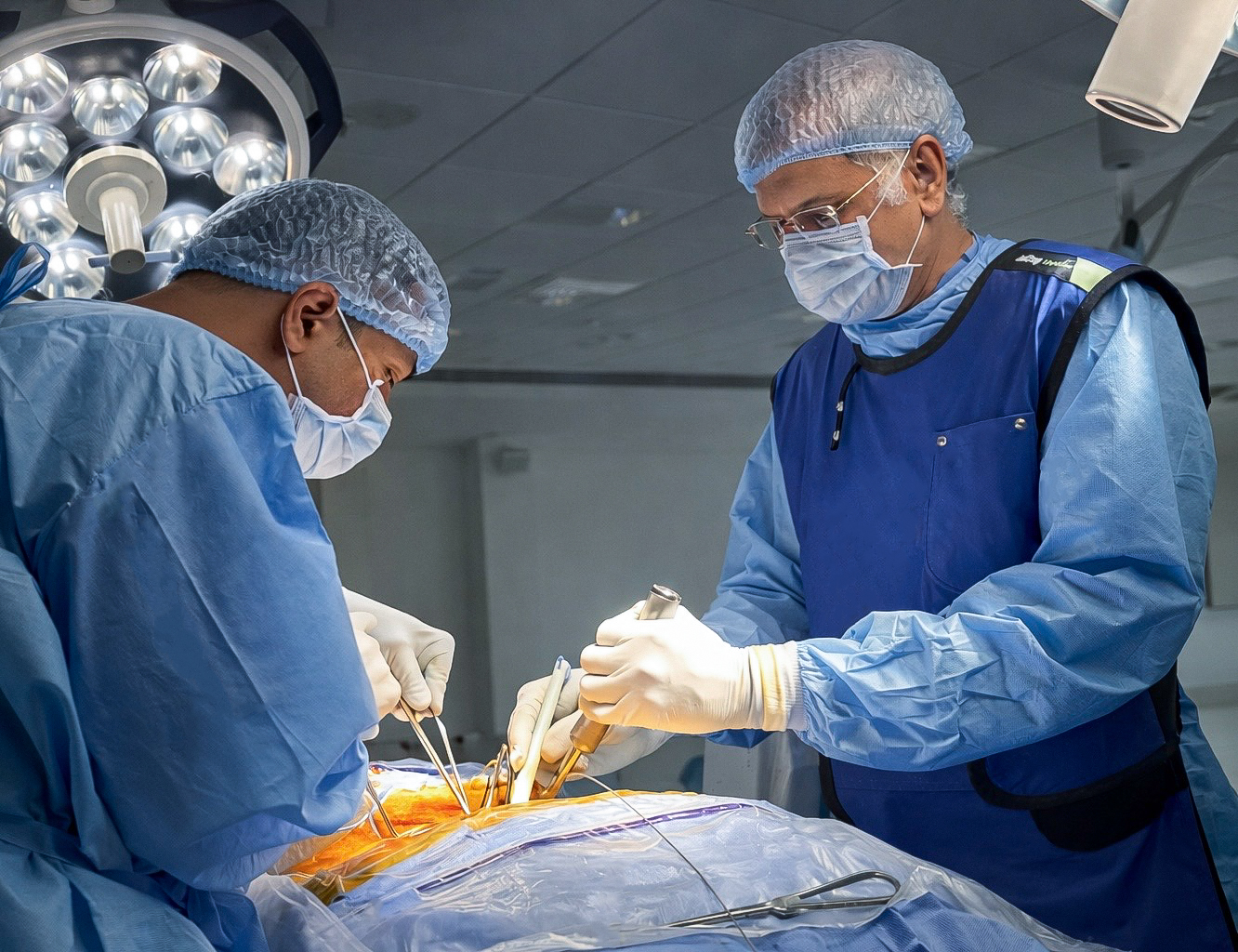
The transition from open to Minimally Invasive Spine Surgery (MISS) is not merely a technical upgrade; it is a fundamental shift in spatial orientation and haptic feedback. For the experienced surgeon, mastering MISS requires a structured application of adult learning principles to flatten the steep learning curve safely.
1. The Paradox of the Expert Learner
Unlike residents, attending surgeons must "unlearn" the reflexive reliance on direct visualization and broad tactile feedback.
Cognitive Reskilling
MISS requires transitioning from 3D direct sight to 2D-to-3D mental reconstruction (relying on fluoroscopy or endoscopy).
The "Need to Know"
Adult learners are driven by clinical utility. The adoption of MISS is typically fueled by the desire to reduce "approach-related morbidity"—minimizing the physiological footprint of the surgery while achieving the same decompression/stabilization goals as open procedures.
2. Deconstructing the Steep Learning Curve
Unlike residents, attending surgeons must "unlearn" the reflexive reliance on direct visualization and broad tactile feedback.
Cognitive Reskilling
MISS requires transitioning from 3D direct sight to 2D-to-3D mental reconstruction (relying on fluoroscopy or endoscopy).
The "Need to Know"
Adult learners are driven by clinical utility. The adoption of MISS is typically fueled by the desire to reduce "approach-related morbidity"—minimizing the physiological footprint of the surgery while achieving the same decompression/stabilization goals as open procedures.
3. Feedback Loops and Precision Tools
Unlike residents, attending surgeons must "unlearn" the reflexive reliance on direct visualization and broad tactile feedback.
Cognitive Reskilling
MISS requires transitioning from 3D direct sight to 2D-to-3D mental reconstruction (relying on fluoroscopy or endoscopy).
The "Need to Know"
Adult learners are driven by clinical utility. The adoption of MISS is typically fueled by the desire to reduce "approach-related morbidity"—minimizing the physiological footprint of the surgery while achieving the same decompression/stabilization goals as open procedures.
4. The Role of Simulation and Cadaveric Training
Unlike residents, attending surgeons must "unlearn" the reflexive reliance on direct visualization and broad tactile feedback.
Cognitive Reskilling
MISS requires transitioning from 3D direct sight to 2D-to-3D mental reconstruction (relying on fluoroscopy or endoscopy).
The "Need to Know"
Adult learners are driven by clinical utility. The adoption of MISS is typically fueled by the desire to reduce "approach-related morbidity"—minimizing the physiological footprint of the surgery while achieving the same decompression/stabilization goals as open procedures.
Summary: From Muscle Stripping to Muscle Splitting
The transition to MISS is a shift from gross anatomical exposure to precise corridor surgery. By viewing this transition through the lens of adult learning, surgeons can systematically move from the "Conscious Incompetence" of early cases to the "Unconscious Competence" of a master MISS practitioner.
Clinical Bottom Line:
The most significant hurdle in MISS is not the technology, but the surgeon's willingness to recalibrate their sensory-motor instincts.